Destination Imagination: Reviving Curiosity in the Classroom and Beyond
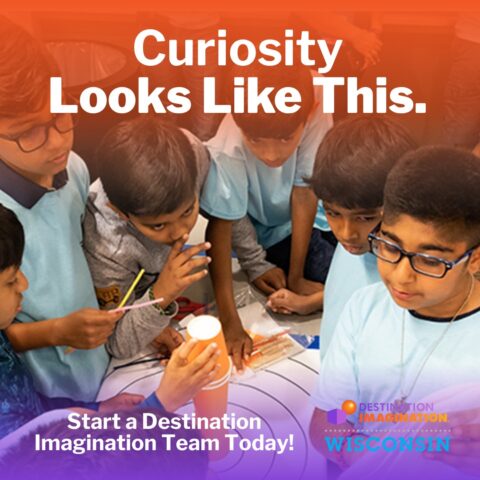 Across the education landscape, one theme is emerging: student curiosity is on the decline. Teachers report that many students are less inclined to ask questions, explore deeply, or engage in open-ended discovery.
One major factor? The rise in screen time, which often delivers answers instantly but robs students of the process of wondering, investigating, and experimenting.
That’s where Destination Imagination (DI) provides a vital complement to traditional education.
Curiosity as a Learning Driver
DI’s project-based Challenges are rooted in inquiry. Instead of receiving predetermined problems with clear-cut answers, students face open-ended tasks that require curiosity to even begin. “What if?” becomes the essential question that drives their process.
From Screens to Hands-On Discovery
In contrast to passive digital consumption, DI is fully immersive. Students design, test, fail, and reimagine solutions with real materials and real teamwork. It’s a screen-free space where curiosity becomes the engine of engagement.
Academic and Soft-Skill Benefits
Curiosity in DI connects directly to core academic subjects:
-
STEM: testing hypotheses, building structures, and applying engineering principles
-
Math: measurements, budgeting, and logical problem-solving
-
Language Arts & Arts: storytelling, set design, improvisation, and performance
Equally important, curiosity fuels collaboration, communication, and resilience—skills teachers know are critical for long-term success.
A Needed Bridge
DI bridges the gap between classroom knowledge and real-world application. Students learn that it’s not about finding the answer but about exploring possibilities, taking initiative, and adapting when challenges arise.
Final Thoughts
If curiosity is waning in schools, DI is one way to bring it roaring back. By nurturing inquiry, creativity, and collaboration, we prepare students not just to learn—but to stay curious for life.
Questions? Reach out to WIDI to find out how you can get a DI program started in your school at info@wisconsindi.org or call/text 414-207-4117! You've got this!
Recent Posts
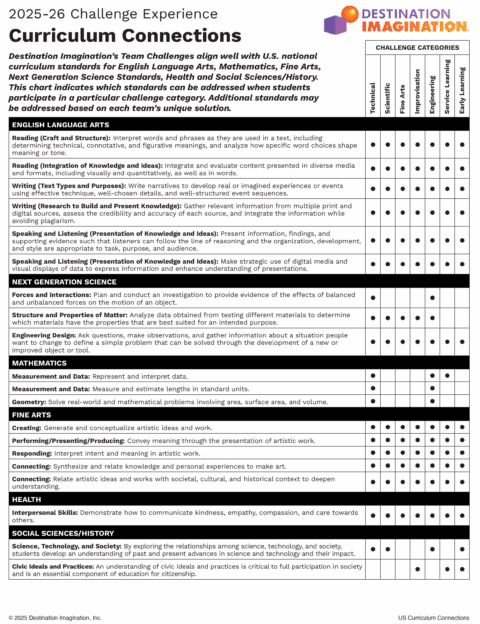
Download the 2025-26 Challenge Experience Curriculum Connections